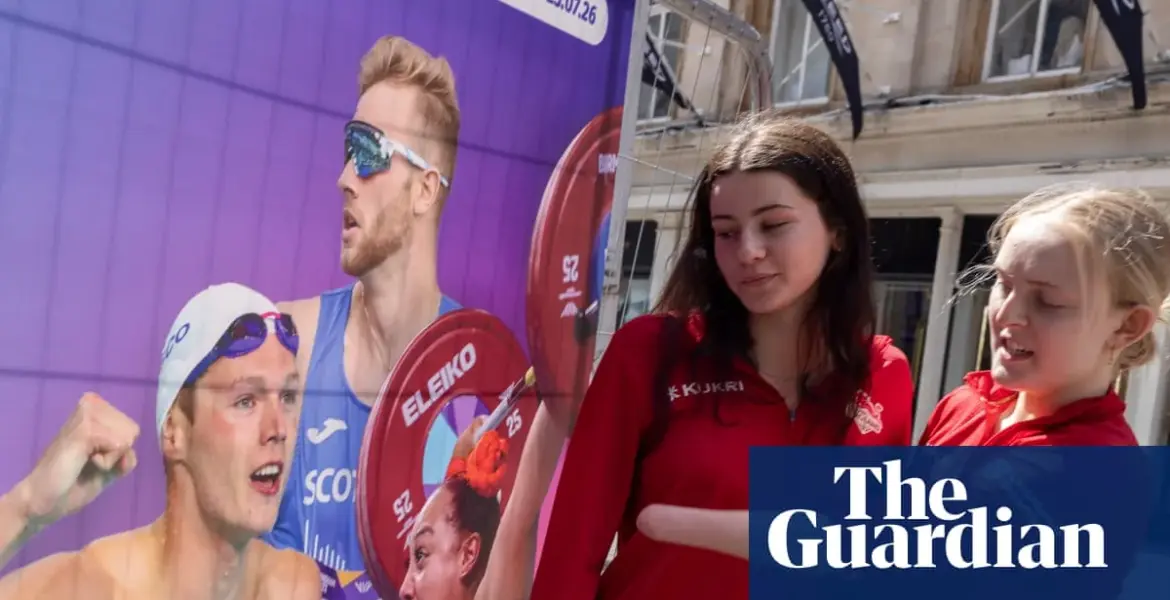

Glasgow hosts Commonwealth Games after Victoria withdrawal
Glasgow is set to host the Commonwealth Games, which will run from Friday until 2 August. This marks a return for the event to the city, though on a smaller scale compared to previous editions. The decision for Glasgow to step in came after the Australian state of Victoria withdrew from hosting in July 2023 due to projected costs soaring to more than A$6 billion. Victoria had initially agreed to stage the event in April 2022 after the Commonwealth Games Federation (CGF) faced difficulties in finding a host.
The Glasgow 2026 Games will feature 3,000 competitors and offer 215 gold medals, a reduction from the 261 gold medals available when Scotland last hosted the Games. Despite the scaled-back nature, organisers are confident that fans will create a vibrant atmosphere. The event will also include a record 47 para-sports events. The CGF is investing £100m, with additional commercial revenue covering the total cost of £150m.
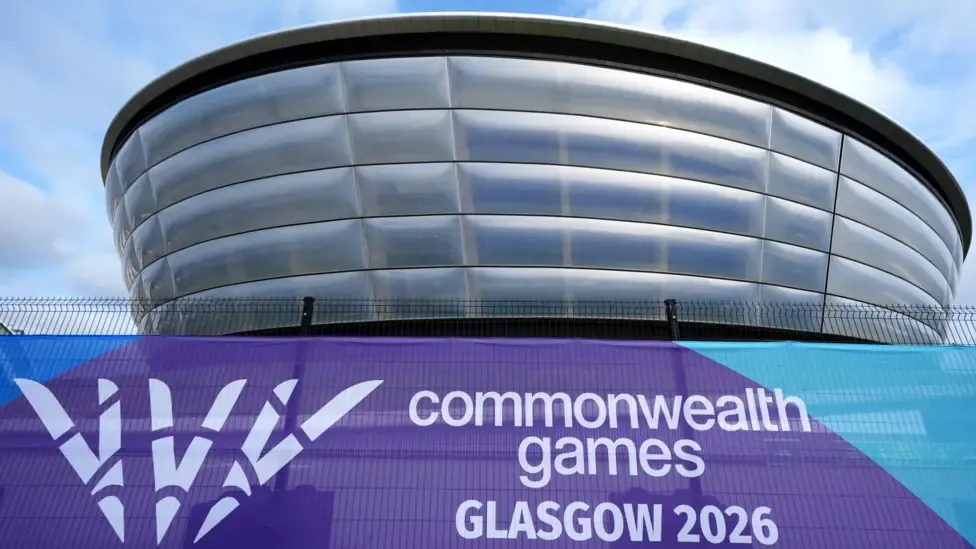
The Games will be staged across four venues: Scotstoun Stadium, Tollcross International Swimming Centre, Glasgow International Arena, and the Scottish Event Campus (SEC). The opening ceremony will take place at the Hydro, where King Charles will officially open the Games. Athletes from 74 nations and territories, along with dignitaries including Prime Minister Andy Burnham, Scotland’s First Minister John Swinney, and the First Minister of Wales Rhun ap Iorwerth, are expected to attend. Some of the 4,000 Games volunteers, aged between 16 and 96, will also participate in the celebration.
Athletes ready for competition
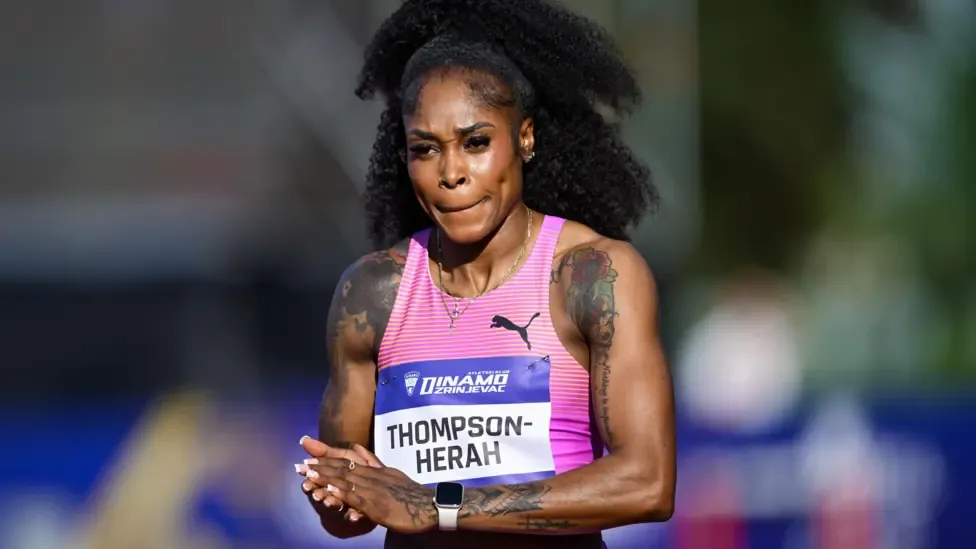
The athletic lineup for Glasgow 2026 includes notable names. Jamaica’s Elaine Thompson-Herah, a five-time Olympic champion, will aim to defend the titles she won at Birmingham 2022. Other prominent sprinters include Canadian Andre De Grasse, a double Olympic champion, and Jamaica’s Shericka Jackson, a two-time world 200m champion. Scotland’s Eilish McColgan will seek to retain her 10,000m Commonwealth title, following her mother Liz’s victory in the same event in 1986. Laura Muir, the reigning 1500m Commonwealth champion, will compete in the 5,000m.
In swimming, South Africa’s Chad Le Clos, who won two golds in Glasgow 2014, will return with the goal of becoming the most decorated male athlete in Games history. Other Olympic champions competing at Tollcross include Australia’s Mollie O’Callaghan, England’s Adam Ramsay-Peaty, and Northern Ireland’s Daniel Wiffen. Duncan Scott, Scotland’s most successful Olympian, will also aim to add to his collection of 13 Commonwealth medals.
The mile race makes its return to the Games for the first time since 1966, replacing the 1500m. This event, scheduled for 1 August, will feature a strong field including Josh Kerr, who recently broke the mile world record. He will face competition from 2022 world champion Jake Wightman and Neil Gourley. Australia’s Cameron Myers will also compete. In the women’s mile race, Scotland will be represented by Jemma Reekie.
Changes and ceremonial details
The scaled-back nature of the Glasgow 2026 Games has led to some adjustments in the sports programme. Hockey, badminton, squash, and diving competitions have been removed. The cycling programme will be confined to track events, and only artistic gymnastics will be included, with rhythmic events excluded. Bowls, which were previously held at Kelvingrove, will now be staged indoors at the SEC.
The opening ceremony at the OVO Hydro will feature performances by KT Tunstall, Callum Beattie, Nathan Evans, Tom Walker, and Saint Phnx. The ceremony will also include the parade of nations and the arrival of the 74 Commonwealth batons. Sir Chris Hoy, a six-time Olympic cycling champion, will participate. Scotland’s flag bearers for the opening ceremony will be veteran lawn bowler Alex Marshall and double Commonwealth judo champion Sarah Adlington. England’s flag bearers will be lawn bowler Sian Honnor and swimmer Luke Greenbank.
Unlike the 2014 Games, where the baton relay visited 70 Commonwealth nations and territories, each competing team for Glasgow 2026 was given its own baton to decorate. The Scottish leg of the relay began on 1 July, with swimmer Duncan Scott sailing up the River Clyde. The baton has since travelled to communities across Scotland’s 32 local authorities. The closing ceremony will also take place at the Hydro, featuring Delta Goodrem and a rock legend.
Read Also
Source: bbc.co.uk
You may also like

Charlie Bradshaw is the Senior Football Correspondent at News-GB, covering the Premier League, the EFL and the England national side with ten years of reporting experience. He covered Merseyside football before going national. He holds a degree in Sports Journalism from Liverpool John Moores University and completed an NCTJ diploma. Based in Liverpool, he watches non-league sides and collects old match programmes. “The back page is only ever half the story.”