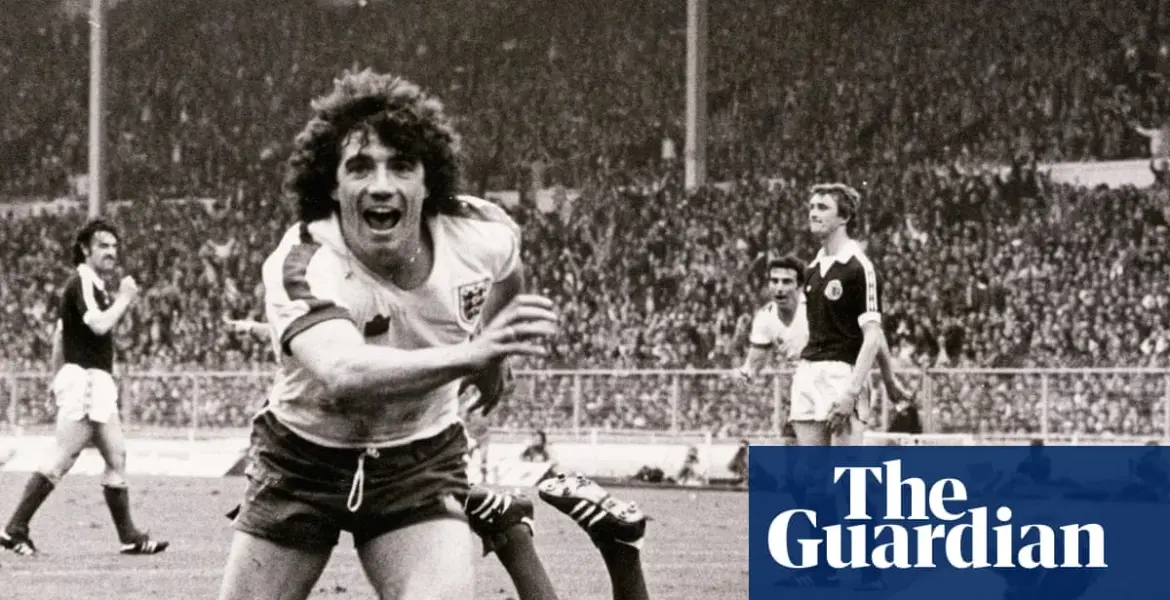

Football icon Kevin Keegan passes away
Kevin Keegan, a prominent figure in English football as both a player and manager, has died at the age of 75. His family announced in January that he had cancer, and seven weeks ago, Keegan himself revealed it was stage four. A statement from his family described him as a “much loved husband, father and grandfather” and thanked his medical team for their support, requesting privacy during this difficult time.
Keegan’s career spanned numerous clubs, most notably Liverpool and Newcastle United, and he also managed the England national team. He was twice recognised as European Footballer of the Year. Tributes have poured in from across the football world, with former players and clubs honouring his legacy.
Alan Shearer, who played under Keegan at both Newcastle and England, shared his tribute on social media, calling him “My hero. My manager. My friend.” Newcastle United released a statement describing Keegan as “one of the most iconic, influential and deeply loved figures in our club’s history,” highlighting his role as the “beating heart of Newcastle United for generations of supporters.” By Monday afternoon, floral tributes had begun to accumulate outside St James’ Park.
Liverpool also acknowledged Keegan’s contributions, stating that his “indomitable spirit and remarkable contribution will be forever etched in our history and his legacy will live on.”
Playing career highlights
Keegan began his professional playing career at Scunthorpe before joining Liverpool in 1971 for £33,000, signed by Bill Shankly. During his time at Anfield, he became known as “King Kev” for his attacking prowess. He was a key part of the Liverpool side that secured three First Division titles, an FA Cup, two Uefa Cups, and the 1977 European Cup.
Despite his success, Keegan was known for his humility and combative spirit. He credited Shankly with teaching him valuable lessons, recalling the manager’s philosophy of striving for excellence in any role. In 1974, he scored twice in Liverpool’s FA Cup final victory against Newcastle. However, he was also famously sent off in the subsequent Charity Shield against Leeds United after an altercation with Billy Bremner.
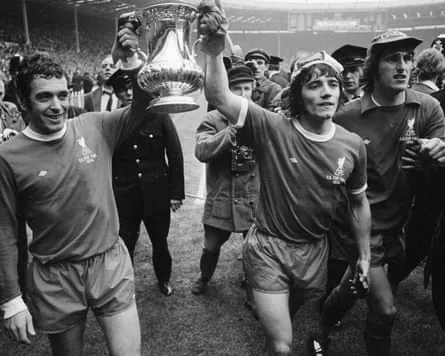
Keegan departed Liverpool for Hamburg in 1977, where he achieved further individual success, becoming the only British player to win the Ballon d’Or twice. His time in Germany saw Hamburg win the Bundesliga in the 1978-79 season. He returned to England in 1980, playing for Southampton and later Newcastle before retiring in 1984. Throughout his career, he earned 63 England caps, scoring 21 goals and participating in the 1982 World Cup.
Beyond the pitch, Keegan embraced his fame, becoming one of the first English players to wear personalised branded boots. He also recorded a hit single, ‘Head Over Heels in Love’, and was a regular on the BBC’s Superstars programme. He was also the public face of Brut 33 aftershave in the 1970s.
Managerial journey and lasting impact
After retiring as a player, Keegan moved to Spain, where his daughters grew up. He described this period as one of the best decisions of his life, likening his playing career to a “glass mountain” where the only way was down from the peak.
In 1992, Keegan ventured into management, taking charge of Newcastle United. He guided the club into the Premier League and led them to challenge for the 1995-96 title, ultimately finishing second to Alex Ferguson’s Manchester United. His passionate “I will love it” rant from that season remains a memorable moment in English football history.
Following his departure from St James’ Park in January 1997, Keegan had brief stints managing Fulham and then the England national team in 1999. His England tenure lasted 20 months and 18 games, concluding with his resignation after a defeat to Germany at Wembley following a disappointing Euro 2000 campaign. The Football Association has announced plans to pay tribute to Keegan before England’s Nations League game against Spain at Wembley in September.
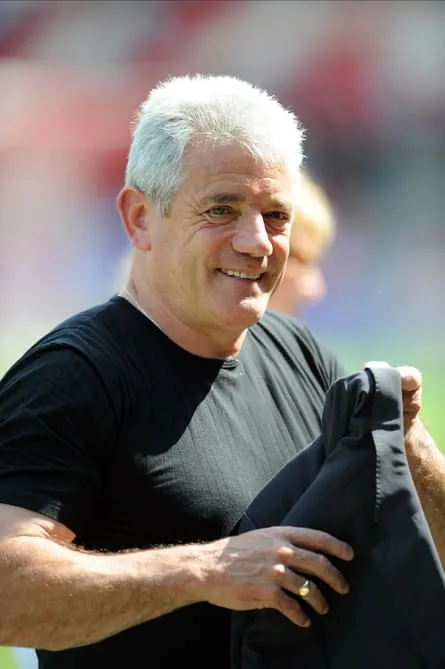
He later managed Manchester City, a club that credited him with establishing them as a Premier League side. Keegan made an emotional return to Newcastle in 2008, though this final managerial spell ended within eight months due to tensions with the club’s then-owner and board. In 2009, a tribunal awarded Keegan £2m in damages for constructive dismissal.
Keegan, who was made an OBE in 1982 for his services to football, made a brief public appearance in June, where he spoke about his desire to return to St James’ Park to say “goodbye” and joked about the club needing to “wait until I die” to erect a statue of him. At that time, he expressed optimism that his cancer treatment was effective. Newcastle’s statement concluded that Keegan’s impact would live on through the memories he created and the dreams he inspired in generations of supporters.
His first Liverpool debut goal came on the opening day of the 1971-72 season against Nottingham Forest at Anfield.
Read Also
Source: theguardian.com
You may also like

Charlie Bradshaw is the Senior Football Correspondent at News-GB, covering the Premier League, the EFL and the England national side with ten years of reporting experience. He covered Merseyside football before going national. He holds a degree in Sports Journalism from Liverpool John Moores University and completed an NCTJ diploma. Based in Liverpool, he watches non-league sides and collects old match programmes. “The back page is only ever half the story.”