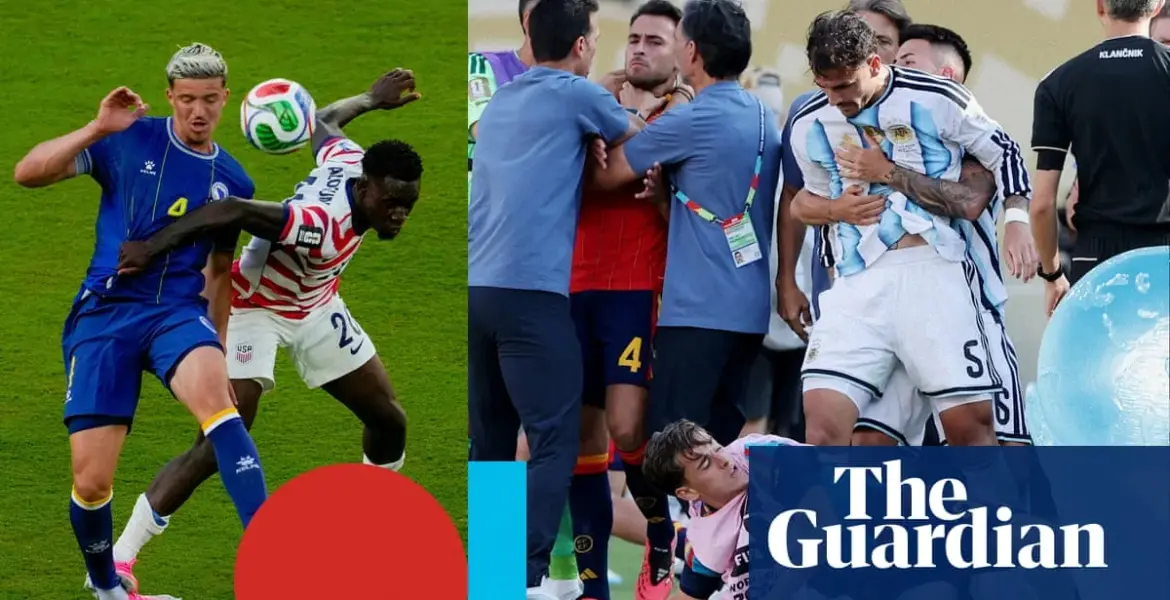

Tournament overview and controversies
The 2026 World Cup, hosted across the United States, Mexico, and Canada, was described by Fifa president Gianni Infantino as potentially the “biggest event in the history of mankind.” This edition of the tournament was the first to feature 48 teams, with nations such as Curacao, Cape Verde, Jordan, and Uzbekistan making their debuts. While the expansion brought new storylines, particularly in the group stages, it also led to a significant increase in the number of matches.
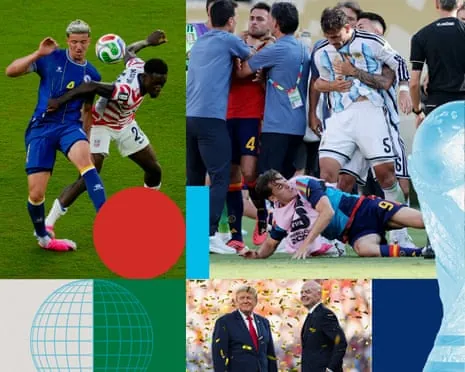
The tournament was not without its controversies, including high ticket prices and the politicisation of certain events. Issues such as visa restrictions for supporters and the participation of Iran were noted before the tournament began. One significant point of contention was the intervention by US President Donald Trump regarding Florian Balogun’s red card. This decision raised questions about political influence, especially after Belgium defeated the co-hosts.
On-field action and new regulations
The football itself offered moments of drama, particularly in the early stages. The group stage saw debutants like Cape Verde achieve notable results, including draws against Spain and Uruguay, ultimately progressing to the knockout rounds. DR Congo also advanced from their group after drawing with Portugal. However, the quarter-finals were described as less inspiring. The semi-final between Argentina and England was thrilling, featuring a significant collapse, while Spain’s victory over France was relatively straightforward.
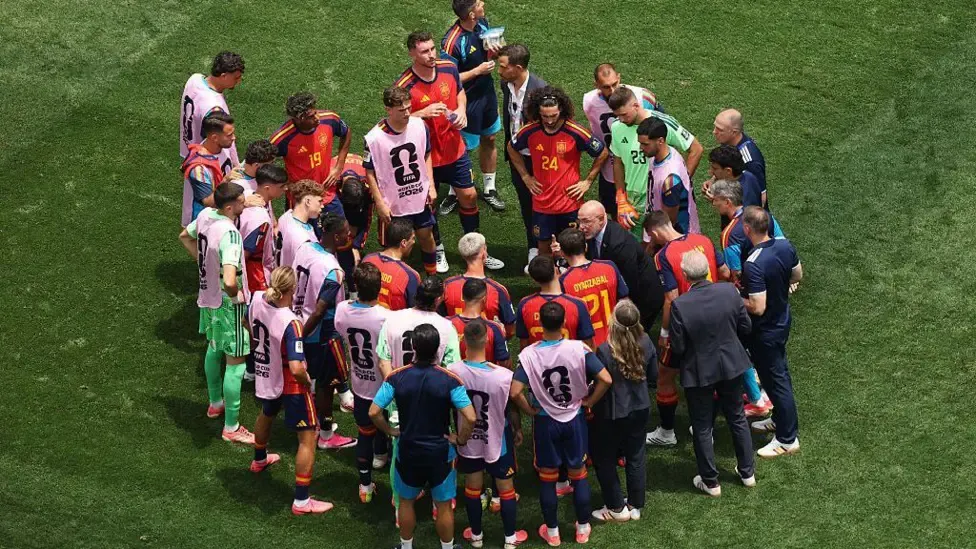
New regulations were introduced, including mandatory three-minute hydration breaks, regardless of weather conditions. While Fifa stated these were for player welfare, they also provided opportunities for broadcasters to air commercials. These breaks often served as tactical timeouts, allowing coaches to communicate with players, which reportedly influenced the course of several matches. Despite some opposition, particularly from fans who booed the stoppages, these breaks are expected to return in future tournaments.
Pierluigi Collina, Fifa’s head of referees, implemented new laws aimed at reducing time-wasting. These initiatives focused on speeding up throw-ins, goal-kicks, and substitutions, and discouraging players from feigning injuries. The changes resulted in a slightly higher ball-in-play time compared to the 2022 World Cup, with matches averaging 96 minutes 24 seconds, excluding hydration breaks, for a ball-in-play time of 58 minutes 15 seconds.
Commercial aspects and host city impact
Despite the high ticket prices, Fifa reported that stadiums operated at near-full capacity, with a record 6,527,410 fans attending matches. Fifa also generated additional revenue through a secondary resale platform, adding a fee to every sale. However, the organisation faced scrutiny, with the attorneys general of New York and New Jersey subpoenaing Fifa as part of an investigation into ticket pricing and seat accuracy. Initial bans on bringing water bottles into grounds were reversed after public backlash, and the high cost of transportation in host cities like New Jersey and Boston also had to be adjusted.
The financial and social impact on host cities is expected to become clearer over time. Reports indicated street sweeps of homeless individuals in the US and Canada, while Mexico faced concerns regarding water extraction and environmental damage linked to World Cup projects. The tournament’s overall organisation and facilities for media were criticised by some, with basic amenities being described as the worst in at least six World Cups. The final match itself was described as a dismal affair.
A new seeding policy was implemented to prevent top-ranked teams from meeting early in the knockout stages. This involved giving Argentina, England, France, and Spain special status to be drawn into separate quarters of the draw. To ensure Argentina and Spain could not meet until the final, Fifa swapped Argentina into Group J and France into Group I. This arrangement ensured that the top four ranked teams reached the semi-finals for the first time.
The expansion of the tournament to 48 teams, while creating new narratives, also meant that a significant number of matches were played in the group stage to eliminate only 16 teams. The use of head-to-head records over goal difference as the primary tie-breaker, combined with eight third-placed teams advancing, sometimes led to situations where teams could draw and both progress, as seen with Australia-Paraguay and Austria-Algeria.

The treatment of Iran was also a point of controversy, with the team allowed into the US for only 24 hours around each of their three fixtures. Markwayne Mullin, the United States’ head of homeland security, expressed satisfaction at Iran’s elimination. The tournament’s conclusion saw Argentina win, but the overall assessment of the event’s historical ranking is still being considered.
A newsletter from a publication ran a double-page spread describing the World Cup as a “disaster,” citing issues such as ticket prices, the Balogun situation, weather conditions, the increased number of games, and reduced rest periods. Following this, the publication’s ticket allocation for the final was reduced, raising concerns about media access and the suppression of critical reporting.
The 2026 World Cup, with its blend of on-field action, new regulations, and off-field controversies, will likely be subject to further historical assessment regarding its place among past tournaments.
Read Also
Source: theguardian.com
You may also like


Charlie Bradshaw is the Senior Football Correspondent at News-GB, covering the Premier League, the EFL and the England national side with ten years of reporting experience. He covered Merseyside football before going national. He holds a degree in Sports Journalism from Liverpool John Moores University and completed an NCTJ diploma. Based in Liverpool, he watches non-league sides and collects old match programmes. “The back page is only ever half the story.”