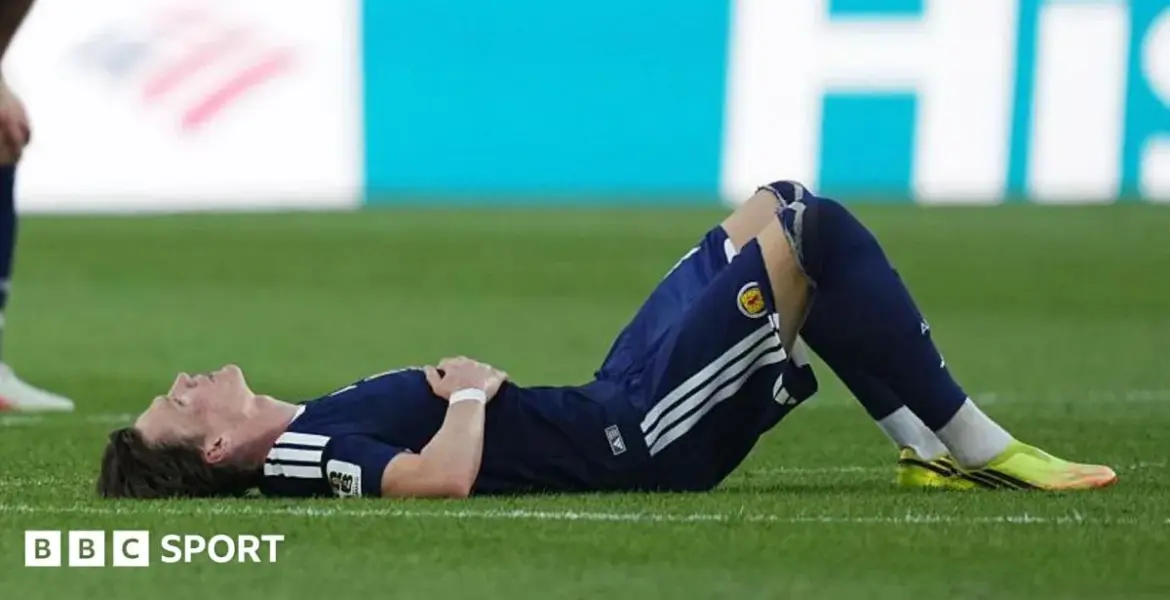

Clarke’s departure confirmed
Steve Clarke has resigned as head coach of Scotland following the team’s exit from the World Cup. The announcement from the Scottish FA came shortly after Croatia’s victory over Ghana on Saturday, which confirmed Scotland’s elimination from the tournament. Players were informed of Clarke’s departure while still at their base in Charlotte.
Clarke had recently signed a new four-year deal just a month prior to his resignation. He had been in charge for seven years, during which time Scotland qualified for two European Championships and this summer’s World Cup, marking their first appearance in the tournament since 1998.
In a statement, Clarke expressed his gratitude to the players, stating, “The most emotional part of this goodbye is for my players, without whom we wouldn’t have had any of the memories that we’ve accumulated from 2019 until now.” He added that the players “deserve all the praise and adulation that they receive and it was truly an honour to be called their gaffer.” He concluded by wishing his successor good luck.
World Cup campaign review
Scotland’s World Cup journey began with a 1-0 win against Haiti in Boston. However, they then faced a 1-0 defeat to Morocco in the same city, followed by a 3-0 loss to Brazil in Miami. These results left Scotland with a slim chance of progressing to the last 32 as one of the best third-placed teams, but this hope was extinguished on Saturday, three days after the Brazil match.
Despite the qualification success under Clarke, Scotland’s performance in all three major tournaments they reached was described as underwhelming. The victory against Haiti was their only win across these finals. The team entered the game against Brazil with a good chance to be one of the best third-placed teams, but defensive errors ultimately undermined their bid.
Ian Maxwell, Chief Executive of the Scottish FA, acknowledged the disappointment of the World Cup group stage exit but highlighted the significant progress made during Clarke’s tenure. “From starting as a pot four team in 2019 to topping our World Cup qualifying group, he has more than delivered on the remit to take Scotland back to a major tournament,” Maxwell stated. He thanked Clarke for his “record-breaking contribution” and expressed confidence that supporters would appreciate the memories of seeing Scotland compete in major tournaments again.
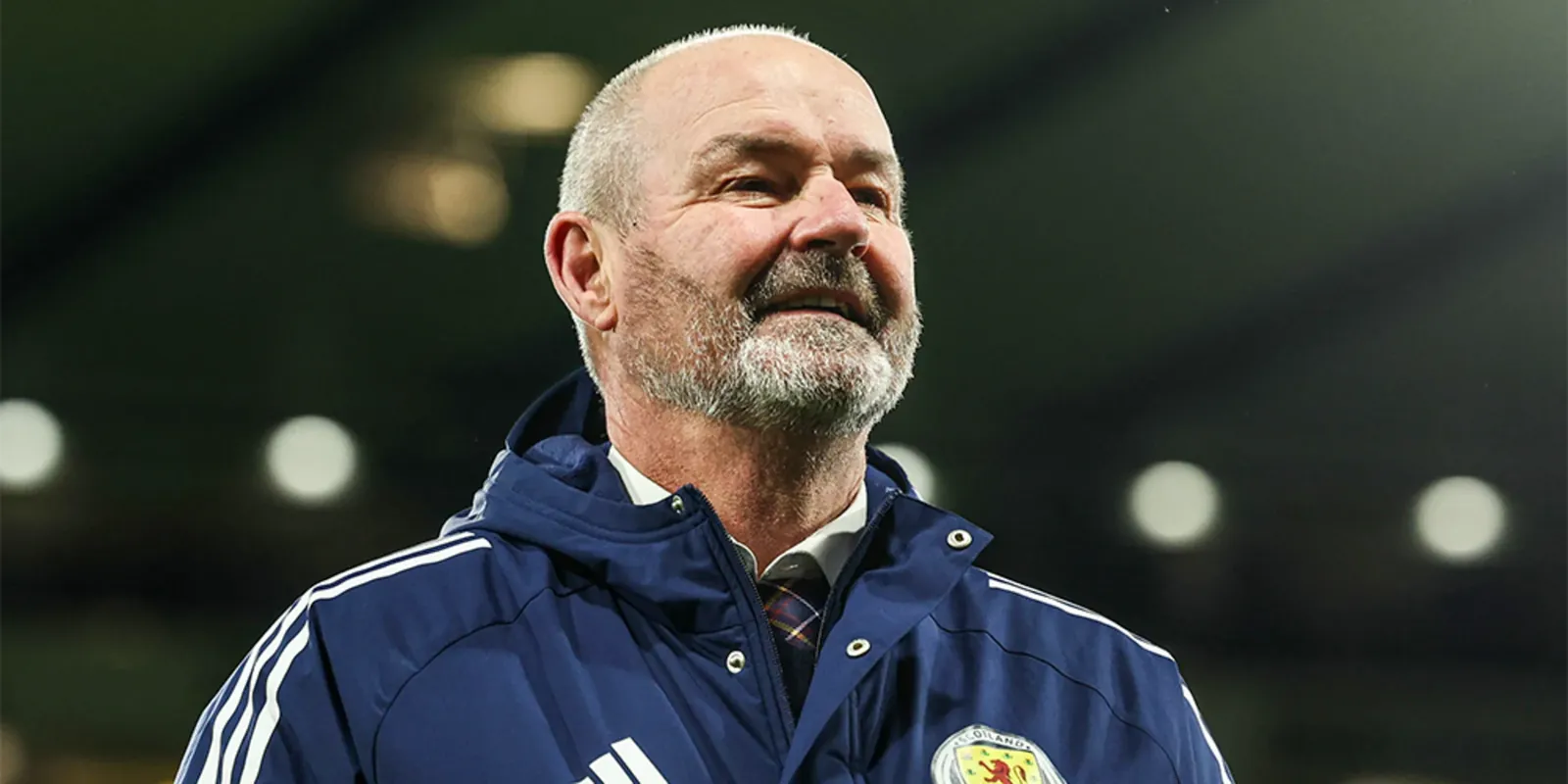
The timing of Clarke’s resignation has caused some surprise, particularly given his recent contract extension. Questions have also been raised about the team’s performance, with some attributing the failure to the manager’s inability to maximise the potential of his squad, while others point to the quality of the players themselves and broader issues within Scottish football development.
Looking ahead for Scotland
The team’s performance in the World Cup group stage saw them play admirably for two halves: the second half against Morocco, where they applied pressure, and the second half against Brazil, where they managed attempts on target despite being 3-0 down. However, the overall campaign was marked by disappointment.
The squad faced criticism regarding its depth and the form of some key players. For instance, Angus Gunn reportedly struggles for game time at Nottingham Forest, and Aaron Hickey has been affected by injuries. Nathan Patterson also faces challenges in securing regular playing time with Everton. Jack Hendry finished seventh in the Saudi Pro League, and Grant Hanley, despite his resilience, is not considered a high-end international defender.
After an error against Morocco, Hanley was replaced by Scott McKenna against Brazil, who then made a significant error early in the match. McKenna, a player who recently won the Croat league with Dinamo Zagreb, plays for a team that struggled in the Europa League, finishing 23rd in their group. Kieran Tierney’s influence has been curtailed by injuries, having played only one 90-minute game all season. Andy Robertson, while historically magnificent for Liverpool, made most of his Premier League appearances off the bench last season.
Scott McTominay, a prominent player for Napoli in Serie A, faced a significant challenge in replicating his club form on the international stage against top-tier opponents. John McGinn, a beloved figure, was played out of his usual position on the left to accommodate the pace of Ben Gannon-Doak on the right. Gannon-Doak, an exciting prospect, has only played 150 minutes for Bournemouth this season due to injury. Ryan Christie, another admirable player, has started only nine league games for Bournemouth, with 17 substitute appearances.
Lewis Ferguson was noted as one of Scotland’s better performers in America, despite not always being a guaranteed starter for Bologna. The team’s strikers struggled to make an impact, often due to a lack of service, though their effort was not questioned. The future of Scottish football now involves addressing the need for more athletic and dynamic players, a challenge given the reluctance of Scottish clubs to provide opportunities for young talent. Clarke’s departure marks the end of an era that saw Scotland return to major tournaments.
Read Also
Source: bbc.co.uk
You may also like

Joel Kavanagh is a Sports News Writer at News-GB. He started on a Midlands sports desk. He focuses on rugby union, golf and boxing and is known for clear, deadline-driven reporting. He holds a degree in Journalism from De Montfort University and completed an NCTJ diploma. Now based in Leicester, he plays amateur rugby and follows the fight calendar. “In sport news, the first ten minutes decide everything.”